
Neuroscience of Learning
Understand how the brain learns, consolidates knowledge, and responds to its environment—and turn that knowledge into more effective learning and teaching practices.
Request InformationHow Does the Brain Learn?
Learning involves complex processes that connect attention, memory, emotion, motivation, experience, and context.
Neuroscience enables us to investigate these processes and deepen our understanding of how the nervous system contributes to human learning.

Learning begins with perceiving, selecting, and processing information.
Attention and Memory participam de diferentes etapas do processo de aprendizagem. Compreender esses mecanismos ajuda a analisar como informações são processadas, armazenadas e posteriormente recuperadas.
The course explores these processes from an applied neuroscience perspective, connecting scientific knowledge with learning situations.
Different processes contribute to how we learn.
The course can explore different aspects of learning according to participants’ profiles and the objectives set for each edition.
Attention
Processes involved in selecting and maintaining relevant information during learning.
Memory
Processes involved in encoding, consolidating, and retrieving information.
Emotion
Relationships between emotional states, behavior, and learning processes.
Motivation
Motivational processes related to engagement and learning behavior.
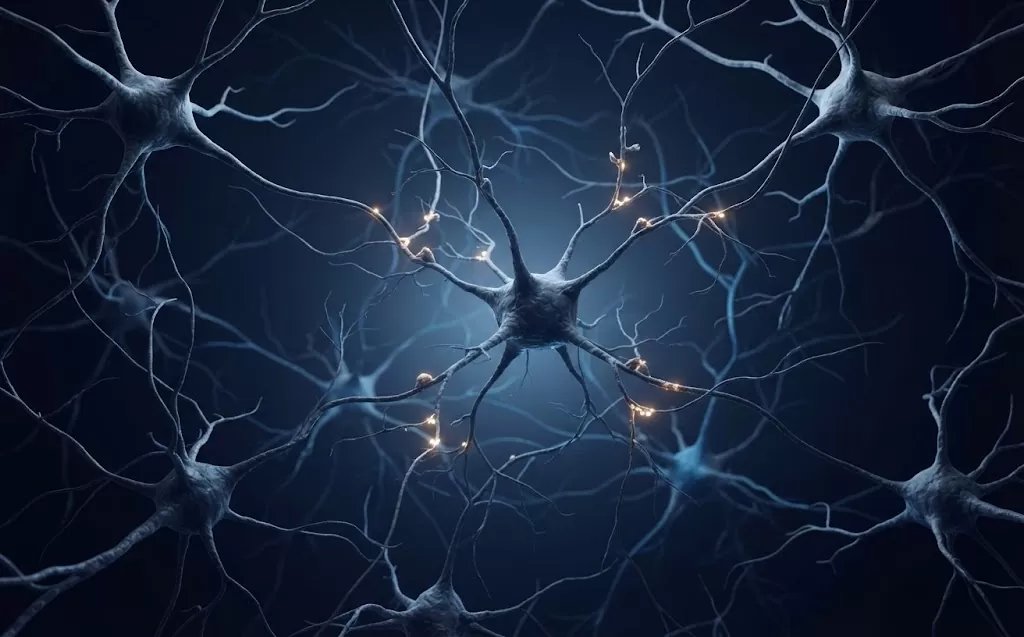
Learning Also Means Changing.
Experience and learning are associated with processes of change and adaptation in the nervous system.
Neuroplasticity provides one conceptual basis for understanding how experience, practice, and learning may be associated with the reorganization of neural connections.
Learning Does Not Occur in Isolation from Human Experience.
Estados emocionais, motivação e contexto podem participar da experiência de aprendizagem e influenciar a forma como uma pessoa se envolve com uma tarefa.
A formação aproxima esses conceitos da realidade educacional e profissional, sem reduzir a complexidade da aprendizagem a uma única explicação neurobiológica.

What the Course May Cover
The content is organized around a scientific foundation and can be selected, combined, and explored in greater depth according to the audience and course objectives.
The Brain and Learning
Neurobiological foundations related to the processes involved in human learning.
Attention e foco
Attentional processes and their relationship to information acquisition and processing.
Memory e consolidação
Concepts related to memory formation, consolidation, and retrieval.
Neuroplasticidade
Changes and adaptations in the nervous system associated with experience and learning.
Emotion e aprendizagem
Relações entre estados emocionais, comportamento e processos de aprendizagem.
Motivation
Motivational processes and their relationship to engagement and behavior during learning.
Sleep and Learning
Aspects of sleep and its relationship to memory consolidation processes.
Environment and Context
How features of the environment and context can contribute to the learning experience.
One Scientific Foundation. Different Paths to Application.
The course does not necessarily follow one fixed, unchanging path. IAN adapts content selection, depth, and applications to participants’ profiles and the objectives defined for each course.
Scientific Knowledge
Content organized around knowledge related to neuroscience and learning processes.
Contextualized Application
Examples, discussions, and activities can be adapted to the needs and characteristics of each audience.
Live Interaction
Live sessions provide opportunities to discuss questions, explore concepts in greater depth, and connect knowledge to participants’ contexts.

Learning Takes Place in Context.
People learn in real-world environments, interacting with others and responding to different demands, stimuli, and experiences.
Por isso, a formação também pode discutir como contexto, interação e ambiente se relacionam com experiências de aprendizagem.
A Course for Different Learning Contexts.
The structure can be adapted to participants’ profiles and the objectives of each edition.
For professionals who want to better understand the processes involved in learning.
Training for schools, universities, and educational teams.
For professionals in education, training, development, and fields related to learning.
For people who want to deepen their understanding of the brain and learning.
The Course Adapts to Its Audience.
The duration, number of sessions, selected content, and level of depth may vary according to the audience and course objectives.
O rigor científico permanece. A aplicação acompanha a realidade de quem participa.
Training for Schools and Universities.
A IAN pode estruturar a formação para equipes docentes, profissionais de educação ou públicos acadêmicos, adaptando conteúdos e aplicações aos objetivos institucionais.
Learning Is Also Part of Professional Development.
Empresas e organizações podem utilizar a formação para desenvolver conhecimentos relacionados à aprendizagem, atenção, memória, motivação e desenvolvimento de pessoas.
Training Designed for the Right Objective.
For companies and institutions, the fee is determined by the format, number of participants, duration, and level of customization.
Request InformationUnderstanding How We Learn Can Transform How We Teach.
Explore IAN’s course and discover how it can be tailored to your context.
Explore the Course