
Applied Neuroscience for Leadership
Lead more effectively through a deeper understanding of the brain, emotions, and human behaviour.
Request informationLeadership begins with understanding behaviour.
Leadership involves making decisions, managing emotions, communicating clearly, handling pressure, and building relationships built on trust.
This training connects neuroscience knowledge with the practical challenges of leadership, bringing science, behaviour, and practical application together.
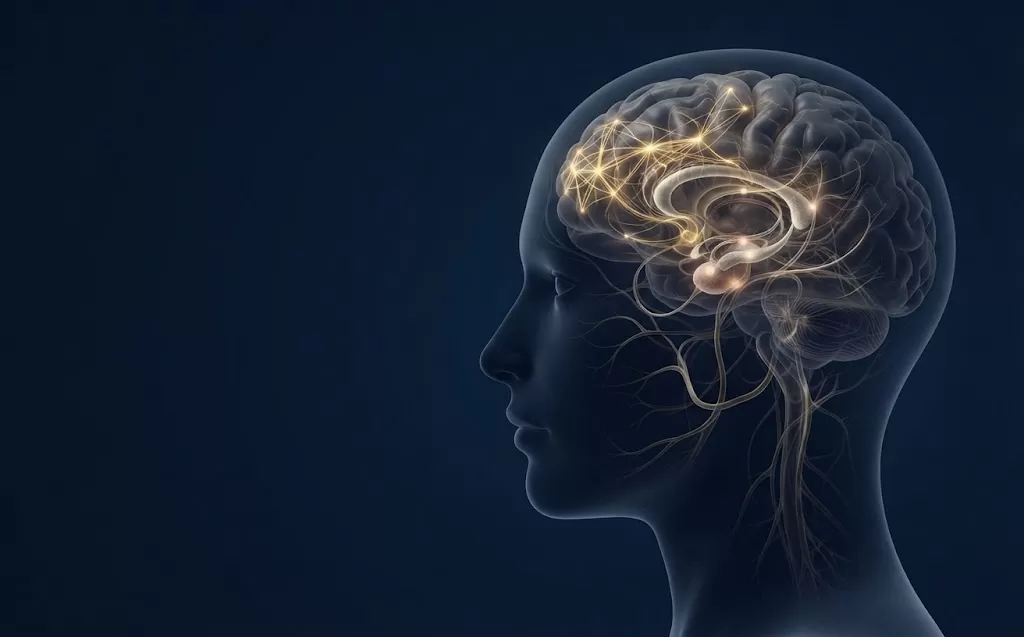
The brain plays a role in every leadership decision.
Cognitive, emotional, and social processes influence how we perceive situations, evaluate alternatives, respond to stimuli, and interact with others.
This training explores these processes from an applied neuroscience perspective, aiming to turn scientific knowledge into a practical understanding of behaviour.
A structured programme without a rigid format.
IAN uses a scientific foundation of content that can be organised and explored in greater depth according to participants’ profiles and the objectives of each programme.
The brain and leadership
Neurobiological foundations related to behaviour, cognition, emotion, and leadership.
Emotions and regulation
Understanding emotional processes and their relationship to self-control, behaviour, and professional relationships.
Decision-making
Attention, judgement, evaluation of alternatives, and cognitive processes involved in decision-making.
Communication and teams
Social behaviour, communication, trust, collaboration, and team dynamics.
Better decisions require understanding how we decide.
Leadership is continually connected to decision-making — from strategic choices to responses to situations involving pressure and uncertainty.
This training explores the cognitive and emotional mechanisms involved in this process and how they apply to everyday professional life.
Leading under pressure also involves brain-based skills.
High-pressure situations can affect attention, perception, decision-making, and behaviour.
Understanding the mechanisms related to emotions and self-regulation can support more conscious leadership when facing challenges, conflicts, and high-demand situations.

What the training covers
Content can be combined and explored in greater depth according to the audience, context, and objectives defined for each delivery.
One scientific foundation. Different paths to application.
The programme structure can be adapted to participants’ profiles and the objectives defined for each context. Scientific rigour remains constant; the application reflects the reality of the participants.
Scientific knowledge
Content structured around knowledge related to neuroscience and human behaviour.
Contextualised application
Examples, discussions, and activities can be tailored to the needs and characteristics of each audience.
Live interaction
Interaction with the trainers allows participants to discuss questions, explore concepts in greater depth, and relate knowledge to their own context.
Leadership also happens between people.
An organisation is more than the sum of its individuals. Relationships, communication, trust, social perception, and collective behaviour influence team dynamics.
For this reason, the training can also explore topics related to team leadership, communication, and organisational behaviour.
Live training with an adaptable structure.
The duration, number of sessions, selected content, and depth of coverage may vary according to the audience and the programme objectives.
Delivered online, allowing people to participate from different locations.
Sessions with direct participation and interaction with the trainers.
Content, duration, and depth can be adjusted to suit the training context.
Supporting materials may include documents, concept maps, infographics, and other educational resources.
Training designed around your context.
Companies and institutions can commission this training in a customised format, tailored to participants’ profiles, development objectives, and identified needs.
IAN starts with a core scientific framework, adapting content selection, depth of coverage, examples, and applications to the organisation’s context.
The duration, number of sessions, and final structure of the programme are defined according to the project.
Request an organisational proposalTraining designed around the right objectives.
For companies and institutions, the fee is determined by the format, number of participants, duration, and level of customisation.
Request informationUnderstanding the brain offers a new way to understand leadership.
Explore the training and discover how it can be structured for your professional or organisational context.
Explore the programme